

A HEADSCARF IS RARELY JUST A FABRIC
A headscarf over the hair is rarely just a piece of fabric. Over the centuries, in different parts of the world, the same gesture is repeated. Covering hair as an expression of reverence, modesty, devotion, identity or tradition. The form differs, as does the reason, but the idea behind it is more widely shared than we often think today.
THE MISTAKE OF DISTANCE
Anyone who looks at headgear now will quickly see a difference. As if it belongs to someone else or from a world outside our own. But if you look attentively, you will see a kinship. Hair coverings cannot be reduced to one religion, one culture or one type of woman. It runs like a silent thread through our shared history.
NOT A SINGLE STORY

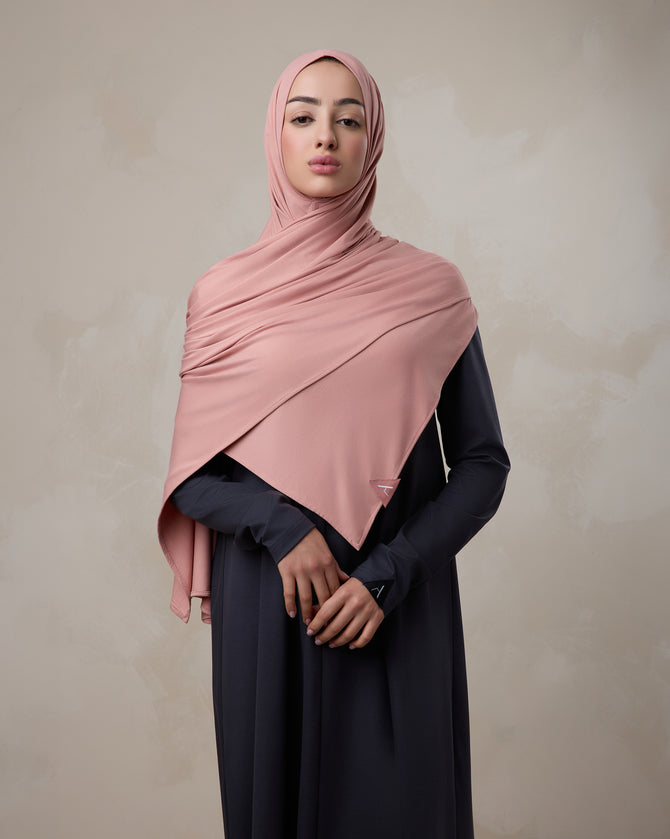
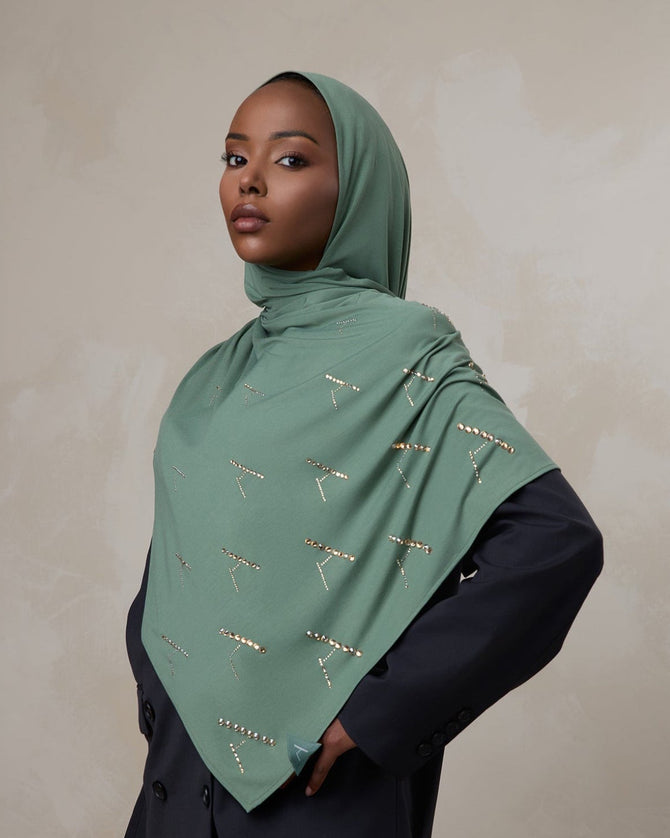
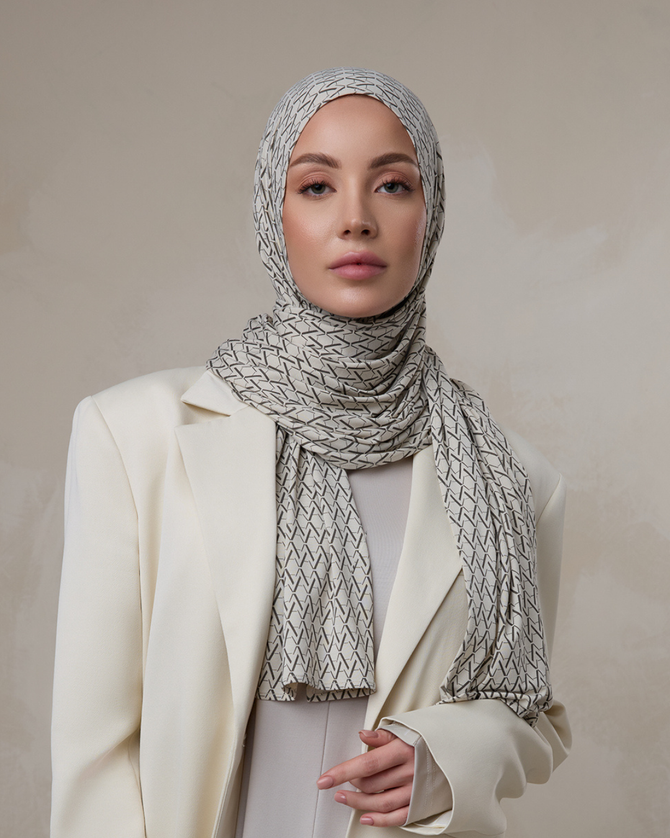
In Islam, head coverings are associated with faith, modesty and spirituality. The hijab is worn as a conscious form of devotion and as a daily expression of dignity, identity and connection with Allah. Within the Islamic world, hair coverings take many forms, such as a hijab, khimaar or jilbab. This diversity shows that coverings do not have one fixed image, but take on new meaning in faith, culture and personal style.

In Judaism, hair coverings are also part of tradition and religious devotion for many married women and also take different forms. Sometimes a cloth, sometimes a hat and sometimes a wig. That shows that hair coverage is bigger than the image that often first comes to mind.

Covered hair also has a long history in Christianity, from church veils to the clothing of religious communities for whom devotion became a visible part of life. Even in marriage the gesture returns. Brides have worn a veil for centuries, often associated with ideas such as chastity, reverence, transition and ceremony. In Amish and Mennonite communities, that same principle lives on in forms of head covering that express simplicity, community and recognition.

Covering the head also occurs within Hindu and South Asian traditions, for example with the sari, dupatta or ghoonghat. There it can be connected to respect, marriage, family, ritual or prayer. The meanings differ per region, community and generation, but again you see the same thing: hair covering is not one fixed image. It is a gesture that has its own language in many worlds.
BEYOND FORM
The form varies, but there is a purpose behind every gesture. Hair coverings are often a way to make something inner visible. A relationship with God, a sense of reverence or connection with tradition. An awareness of who you are and how you want to move in the world. That makes it more than clothing. It becomes language. Quiet perhaps, but meaningful.
ATTENTION AS A CHOICE
Not the assumption that everyone has the same reason, but the realization that behind covered hair there is often something deeply human. The desire to shape conviction, dignity or commitment. The choice to wear something with attention. The need to express something from within through appearance.
WATCH WITHOUT JUDGMENT
As soon as you see that, the look changes. Then you do not see a symbol of distance, but a gesture that has been reflected in various traditions for centuries. Then you are no longer looking at something that belongs to "them", but at something that is part of our shared cultural and religious heritage in various ways. Then there is room for recognition, even if the shape is not your own.
MORE THAN STYLE
Clothes can convey more than just style. She can carry history, conviction, softness, dignity and connection. Head coverings are a powerful example of this. As old as tradition, as alive as today, and still able to make visible something that is bigger than dust.
WHERE DIFFERENCE IS GIVEN SPACE
At Asámi we believe that difference does not have to create distance. We don't have to explain each other first in order to meet each other. We are allowed to coexist, with our own choices, beliefs and forms of expression.
We opt for a view without judgement. For space without conditions. For women who wear what suits them, based on conviction, style, tradition or feeling.
Because connection does not arise when everyone becomes the same. Connection arises when differences are allowed to exist.
Exceptional You.


